The German Art of "House Burping," Explained

"Wow. Americans discover fresh air."
This was my neighbor's reaction to the news that lüften - the German practice of daily airing out one's home - spawned a Tiktok trend across the pond, with an unattractive English rebrand to boot.
It has nothing to do with burping. My apartment doesn't expel pent up gas when I open the windows in the morning. (Disclaimer: Other German homes may vary.)
But most German buildings don't have air conditioning. There is no mechanical ventilation that circulates or heats or cools the air automatically. So we have to do it manually by regularly opening the windows.

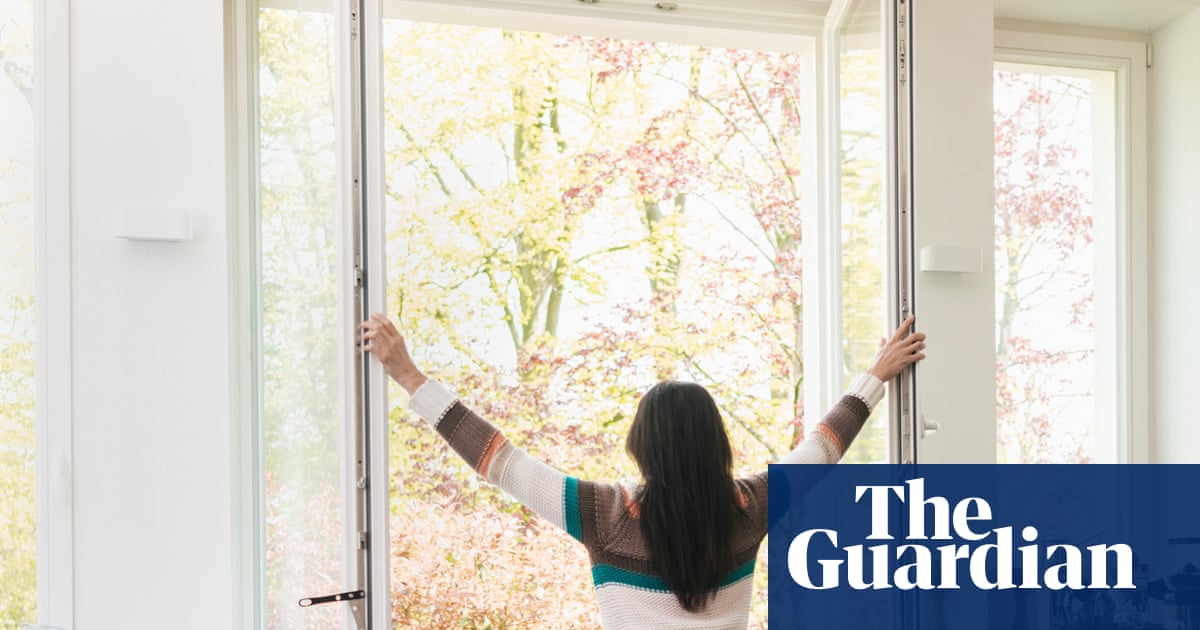
This being Germany, there are definite strategies and procedures for proper lüften. These depend on the season, what kind of home you live in, and how one's mother taught you to do it when you were growing up.
From what I've learned over the past three years, there are three main strategies:
- Dauerlüften (auf kipp) - Most German windows are a design known as Dreh-Kipp-Fenster. They have a rotating handle and hinge that lets you open the window in different directions, either tilting the windows inward to open at the top only, called 'kipping,' or turning the handle in the other direciton to open the window fully. To dauerlüft, you leave the windows kipped at the top to let air slowly circulate in and out.
- Stoßlüften - This translates to 'impact' or 'shock ventilation' and means opening all windows up fully for between five and 15 minutes at a time.
- Querlüften - stands for 'cross ventilation' and requires opening just two windows that are on opposite sides to move the fresh air through the room.
The purpose of all of this airing is to let out the humidity that naturally builds up inside rooms that people live in. I used to not understand it, either. But after living here for three years, I definitely notice when I need to air out a room. There is a significant difference in air quality.
We live in a neubau - a new build - and the windows are double-paned and insulated, with a tight seal in the window frames.
Particularly in the summer, it's important that we open the windows early in the morning to let the cooler air in. Then we close them tightly and lower our shutters during the hottest part of the day. This is the best way we have found to survive days where the temperature is above 30C with no A/C. (That's another hotly debated topic, but one for a different post.)
When the weather is milder in the spring and fall, we usually leave the windows kipped to capture a bit of breeze and let the air circulate freely.
In the winter, lüften helps prevent mold and mildew from forming inside our apartment. The humid air goes out, dry winter air comes in. According to our German neighbors, you use Stoßlüften in the winter to quickly exchange the air without letting the walls get cold. This way, your home stays warm but still gets the fresh air.
I usually Querlüft on winter mornings for about 10 or 15 minutes - basically until I just feel like the air is fresher or I can't stand the cold anymore. My routine is opening up at least two windows in the living room for the cross ventilation, and then all of the windows in the bedrooms.
I was surprised to find out that lüft-ing homes that already have a central HVAC system can be beneficial, too. Though there are some caveats.
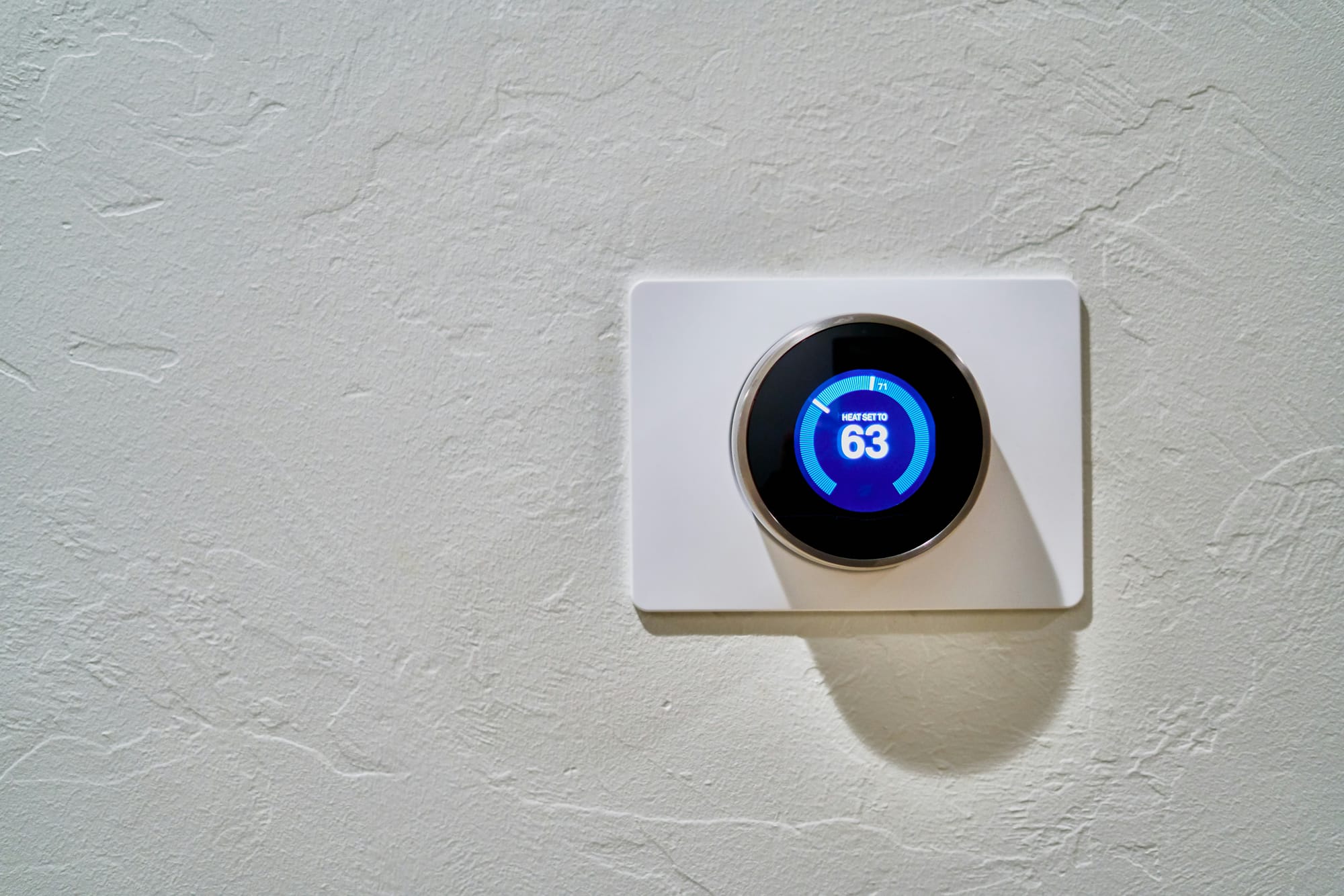
Opening windows briefly after showering or cooking can help relieve excess humidity that builds up, as well as vent smells and pollutants that are given off by gas stoves and other appliances.
Keeping windows open for a significant amount of time, however, can affect your system's efficiency and the mechanical air circulation can even draw airborne pollutants (like pollen) into your home.
But it's a myth that central air conditioning systems exchange air from the outside in. (I actually believed this, too.) Most systems are designed to pull hot air out of the home, run it through a refrigerant, then return the cooled air too the living space. So, you never really get fresh air. The same air is just re-circulated over and over.
Air exchanges do occur, but more from leaks around doors and windows that regularly allow fresh air from the outside to enter the house and the old air to seep out.
"Unless you live in a high-performance, “green” home or you’ve made significant improvements to your home’s envelope, air leaks throughout the structure are already providing near-constant exchange of air," notes Jason Peavy, of PV Heating, Cooling and Plumbing in Atlanta. "Technically speaking, this is enough ventilation."
So, what do you think? Do you air out your house on a regular basis? Did your parents or grandparents who grew up without A/C do it too?
Let me know in the comments, or send me a message. And, as always, thanks for reading!
Sign up for The View from Here and get weekly updates right in your inbox!
Member discussion