Reading List: Going Hungary edition
Note: This is the first post in a new format I am trying out. Unlike the other posts in Reading , which are mostly devoted to books, Reading Lists feature a roundup of articles on a particular topic and usually following a short(ish) intro. This first one got a bit long-winded, sorry...
Depending on where you are sitting when you read this, you may be wondering why it seemed like the entire planet was watching last week's national elections in Hungary, a small, landlocked central European nation considered one of the poorest in the European Union.
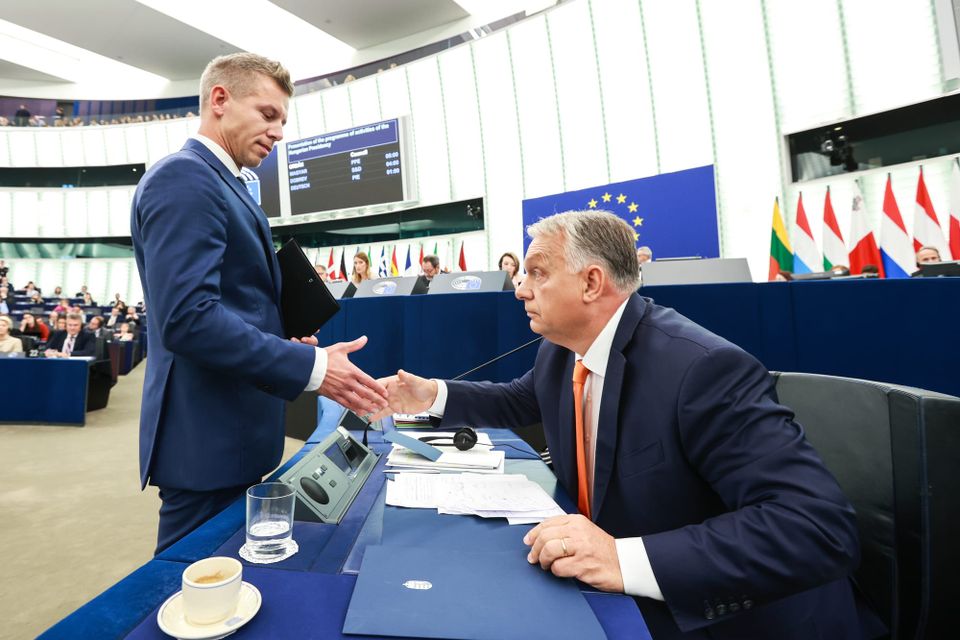
If you haven't been paying attention, here's the short version: Vladimir Putin, Donald Trump, the upper echelons of MAGA and the U.S. far right, as well as a big chunk of the far-right populist movements across Europe, all wanted to see the incumbent prime minister, Viktor Orbán, remain in power. Most Hungarians and the rest of the Europe were pulling for the opposition Tisza Party led by Péter Magyar (yes, his name literally translates to Peter Hungarian).
Why?
On the European side, Orbán had increasingly allied the country more with Russia and away from the rest of NATO and the EU (Hungary is a member-state of both). One example: He repeatedly blocked EU efforts to send financial aid to Ukraine.
He and his political allies in the Fidesz Party also rewrote the Hungarian constitution to consolidate power and make it harder for political opponents to run for and win election at any level.
As for his fandom in the United States, its current leaders saw in Orbán's rule a model for implementing their brand of "national conservatism."
Anne Applebaum, in a 2025 article for The Atlantic, explained it this way:
What is this Hungarian model they so admire? Mostly, it has nothing to do with modern statecraft. Instead it’s a very old, very familiar blueprint for autocratic takeover, one that has been deployed by right-wing and left-wing leaders alike, from Recep Tayyip Erdoğan to Hugo Chávez. After being elected to a second term in 2010, Orbán slowly replaced civil servants with loyalists; used economic pressure and regulation to destroy the free press; robbed universities of their independence, and shut one of them down; politicized the court system; and repeatedly changed the constitution to give himself electoral advantages. During the coronavirus pandemic he gave himself emergency powers, which he has kept ever since. He has aligned himself openly with Russia and China, serving as a mouthpiece for Russian foreign policy at EU meetings and allowing opaque Chinese investments in his country.
From our vantage point in Germany, we wondered if the election would bring further creep of the far-right gaslighting we have experienced more and more of over the past three years.
At times it can feel like we're being stalked by The Borg, targeted for assimilation.
Up is down. Right is left. The EU regulating social media is an attack on free speech. But the U.S. jailing individual people for what they say is protecting national security. Europe will achieve energy independence by buying Russian oil, not investing in renewables.
Latest example: JD Vance jetting across multiple time zones to tell Hungarians who to vote for while complaining that the EU was interfering in their election.
 Noa Schumann and Tamsin Paternoster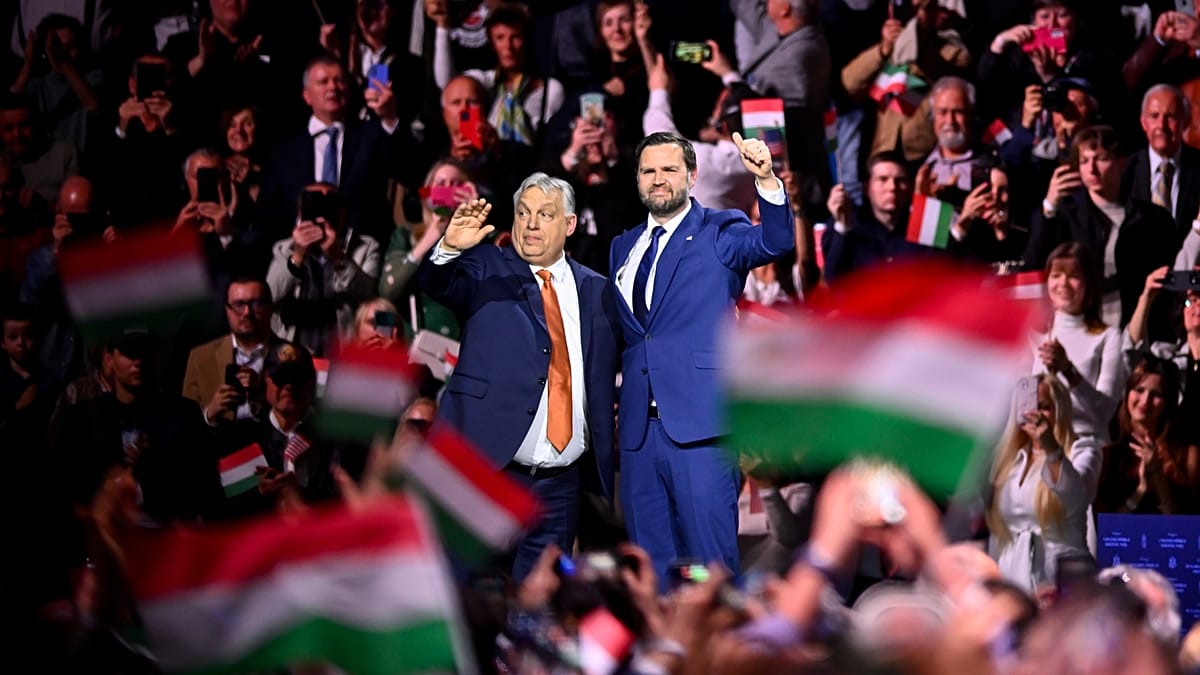
Is resistance really futile? We watched with bated breath.